Safety Considerations for Commercial Concrete Sawing and Removal
People seeking commercial concrete sawing and removal often want safe, efficient services, and local contractors can ensure proper techniques and safety measures are followed.
Property owners in the area often face the challenge of safely and efficiently managing concrete removal or modifications, especially when dealing with large or complex structures. Understanding safety considerations for commercial concrete sawing and removal is essential to prevent accidents, protect surrounding areas, and ensure the job is completed smoothly. Whether planning a renovation, demolition, or new construction, knowing how local service providers prioritize safety can help property owners feel more confident in their project’s success.
Exploring this topic can also highlight the practical expertise that local contractors bring to the table. These professionals are equipped to handle the unique safety demands of commercial concrete sawing and removal, utilizing specialized techniques and equipment to minimize risks. By learning more about safety considerations, property owners can better appreciate the value of skilled service providers who prioritize safe work practices, making it easier to find the right partner for their specific project needs.
- Commercial concrete cutting - when precise removal near existing structures is needed, local contractors prioritize safety considerations to prevent damage and ensure worker protection.
- Floor demolition projects - during large-scale removals, local service providers implement safety protocols to manage dust, debris, and equipment hazards effectively.
- Concrete wall modifications - for openings or adjustments, local pros assess safety risks related to structural stability and proper tool use to protect workers and surrounding areas.
- Parking lot or driveway cutting - when cutting through concrete surfaces, local contractors focus on safety considerations to minimize risks of cracking and ensure safe operation.
- Utility trenching and core drilling - during these specialized tasks, local service providers emphasize safety considerations to prevent accidents and damage to existing utilities.

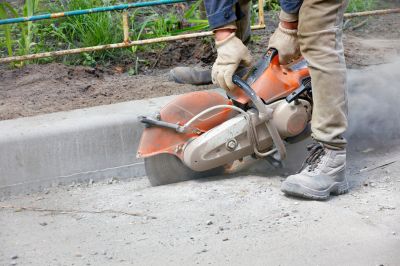
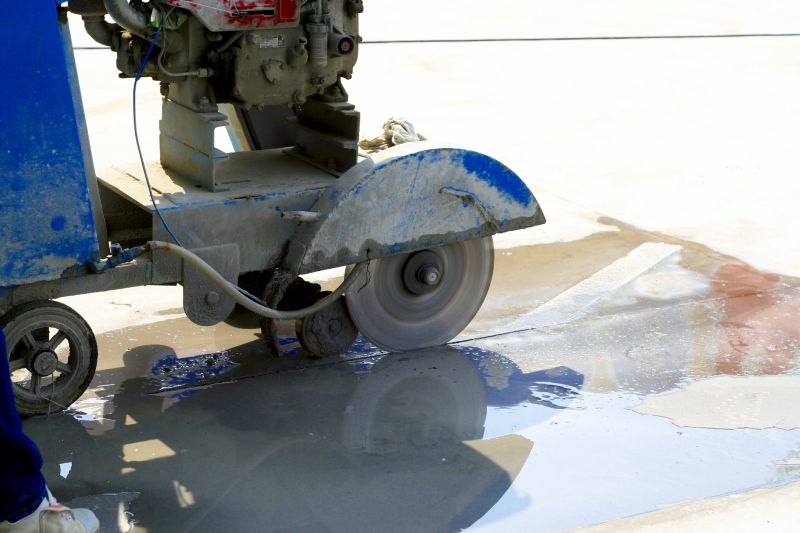
When people search for safety considerations for commercial concrete sawing and removal, they are often looking to understand the potential hazards associated with these specialized construction activities. This includes concerns about dust, flying debris, noise, and the use of heavy machinery that can pose risks to workers and property. Homeowners, property managers, or business owners might be planning to undertake a project that involves cutting through concrete surfaces, such as installing new windows, doors, or utility lines, and want to ensure the process is carried out safely. Recognizing these safety factors helps in preventing accidents, minimizing property damage, and maintaining a secure environment during the work.
These safety considerations are closely linked to a variety of project challenges and planning needs. For example, when removing or cutting concrete in commercial settings, there is often a need to avoid damaging existing structures, utilities, or nearby surfaces. Proper safety protocols help prevent unintended harm to workers or occupants, especially in environments with high foot traffic or sensitive equipment. Additionally, safety planning involves assessing the structural integrity of the concrete, managing dust suppression, and ensuring that the right equipment and techniques are used. Local service providers specializing in commercial concrete sawing and removal are equipped to handle these safety concerns effectively, offering expertise that helps mitigate risks throughout the project.
The types of properties where safety considerations for commercial concrete sawing and removal come into play typically include office buildings, retail centers, warehouses, and industrial facilities. These properties often feature large concrete surfaces such as floors, walls, and pavements, which may need modifications or repairs. In such environments, safety becomes even more critical due to the presence of employees, customers, or stored goods. When planning for concrete cutting or removal in these settings, it is essential to account for the location’s specific safety needs, including dust containment, noise control, and structural support. Local contractors experienced in commercial projects understand how to adapt safety measures to different property types, ensuring the work proceeds without incident.
Understanding safety considerations for commercial concrete sawing and removal helps property owners and project managers make informed decisions about who to hire for the job. Professionals in this field are familiar with the best practices for protecting workers, occupants, and the property itself. They utilize specialized equipment and techniques designed to minimize hazards, such as dust suppression systems and controlled cutting methods. By engaging experienced service providers, property owners can ensure that safety is integrated into every phase of the project, reducing the likelihood of accidents or damage. This proactive approach helps keep commercial projects on track and supports a safe environment throughout the concrete removal or cutting process.
Demolition projects - professionals handling building demolition often use similar cutting tools and safety protocols as those in commercial concrete sawing and removal, requiring careful planning to ensure safety.
Parking lot and roadway cutting - this type of project involves precise cutting and removal of concrete or asphalt, making safety considerations crucial for protecting workers and the surrounding area.
Foundation removal - removing old or damaged foundations involves specialized sawing techniques and safety measures comparable to those used in commercial concrete removal services.
Structural modifications - altering existing structures with concrete cutting tools demands attention to safety considerations to prevent accidents and ensure stability during the process.
Interior concrete cutting - projects involving cutting through interior slabs or walls require careful planning and safety protocols similar to exterior sawing operations.
Pool removal and renovation - removing or modifying concrete pools involves precise cutting and safety precautions, aligning with the safety considerations for commercial concrete sawing and removal.
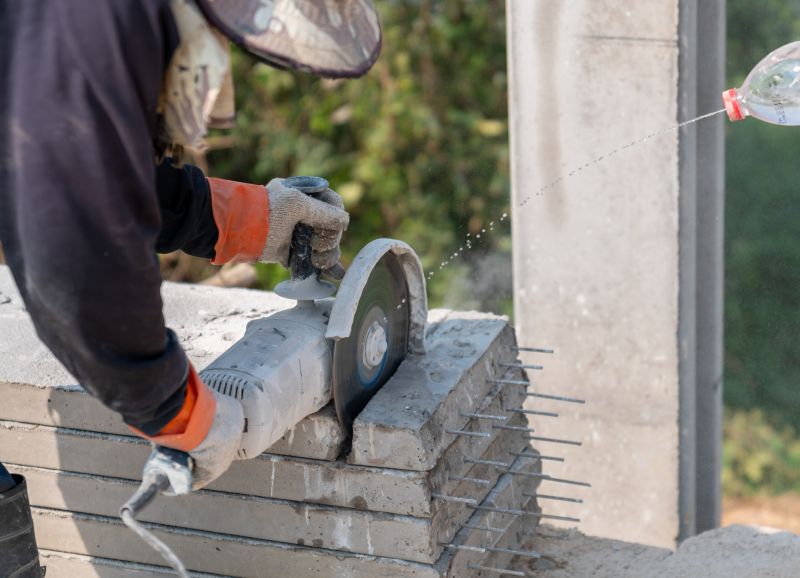
When comparing service providers for commercial concrete sawing and removal, it’s important to consider their experience with similar projects. Contractors who have handled comparable jobs are more likely to understand the specific safety considerations involved, such as managing dust, vibration, and potential structural impacts. Asking about their past work can provide insight into their familiarity with the scope and complexity of projects like yours, helping to ensure they are equipped to handle the unique safety challenges that may arise.
Clear written expectations are essential when selecting a contractor for concrete sawing and removal. A detailed scope of work should outline safety protocols, procedures for handling hazardous materials, and measures to protect workers and surrounding areas. Having these expectations documented helps prevent misunderstandings and ensures that safety considerations are prioritized throughout the project. Reputable service providers will be transparent about their processes and willing to discuss how they address safety concerns in their planning and execution.
Reputable references and effective communication are key factors when evaluating local contractors. References from previous clients can reveal how well a contractor manages safety considerations and adheres to safety standards during projects. Good communication ensures that any safety concerns are addressed promptly and that expectations are clearly understood from the outset. Contractors who are responsive and transparent about their safety practices demonstrate a commitment to maintaining safe work environments, which is vital for the successful completion of commercial concrete sawing and removal projects.
Property owners often search for safety considerations for commercial concrete sawing and removal when they are planning practical projects around their homes and businesses. Local pros provide Commercial Concrete Sawing and Removal services for everyday jobs and straightforward project options.
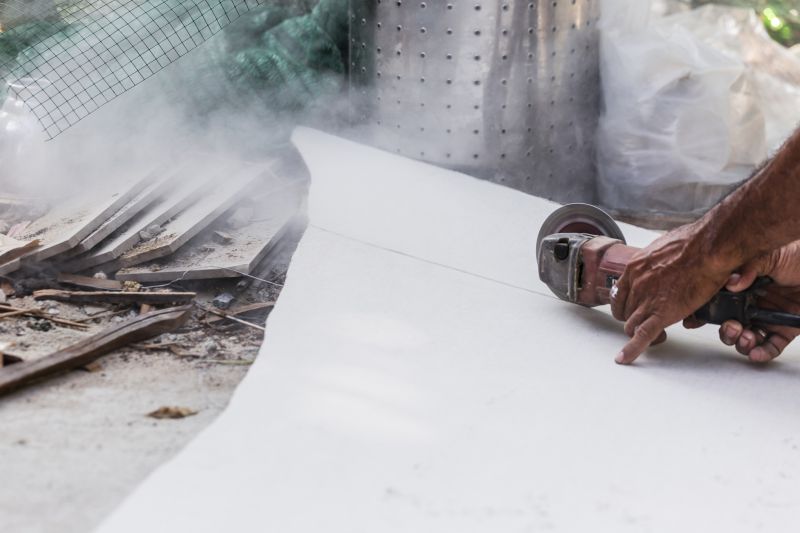
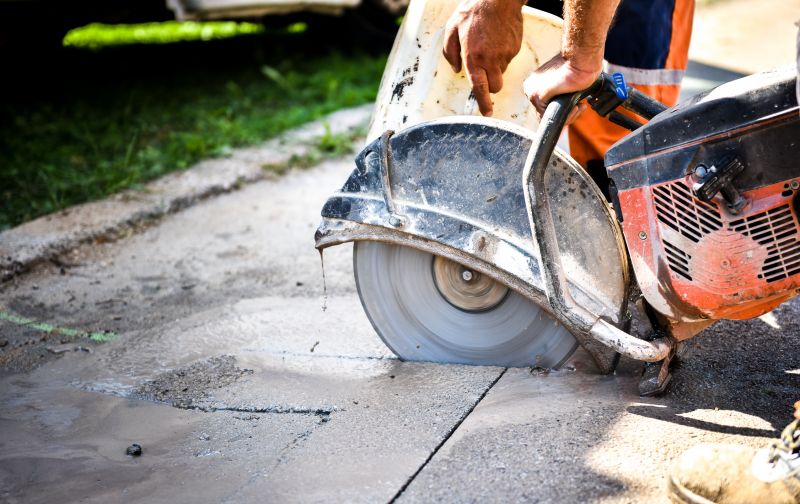
Safety considerations for commercial concrete sawing and removal are essential for property owners undertaking renovation or demolition projects. Everyday situations, such as creating new doorways, removing old concrete slabs, or installing utilities, require careful planning to prevent accidents and property damage. Property owners in the area often look into professional services to ensure that these tasks are handled with proper safety measures in place, reducing risks associated with heavy equipment, flying debris, and dust. Relying on experienced local contractors can help manage these hazards effectively, providing peace of mind during the project.
Choosing skilled service providers for concrete sawing and removal also ensures that safety protocols are followed throughout the process. Local contractors are familiar with the common challenges of working around existing structures and utilities, which can help prevent costly mistakes or injuries. By consulting with professionals who understand the importance of safety considerations for commercial concrete sawing and removal, property owners can focus on completing their projects efficiently while minimizing potential hazards. This approach emphasizes the value of expert assistance in maintaining a safe work environment from start to finish.
What safety precautions should be considered during commercial concrete sawing? It is important for service providers to use appropriate personal protective equipment (PPE), such as eye protection, hearing protection, and dust masks, to minimize health risks during concrete sawing and removal.
How can local contractors ensure safe removal of concrete debris? They typically implement proper containment methods and use specialized equipment to prevent debris from becoming a safety hazard to workers and surrounding areas.
Are there specific safety considerations when working in confined or sensitive environments? Yes, local service providers assess the site for potential hazards, ensure adequate ventilation, and take measures to protect nearby structures and occupants during sawing and removal.
What role does equipment maintenance play in safety during concrete removal? Regular inspection and maintenance of saws and removal tools are essential to prevent malfunctions that could lead to accidents or injuries.
How can property owners contribute to safety during concrete sawing and removal projects? Property owners should inform contractors about any underground utilities or structural concerns to help plan safe work procedures and prevent accidents.
Proper equipment handling - Ensuring that tools and machinery are used correctly can prevent accidents during concrete sawing and removal projects, and local contractors can provide guidance on safe operation.
Clear work area planning - Assessing and preparing the site helps identify potential hazards like underground utilities or structural weaknesses, which local service providers can help evaluate.
Use of safety barriers and signage - Setting up barriers and warning signs around the work zone can protect both workers and bystanders, with local pros assisting in proper placement.
Personal protective equipment (PPE) - Wearing appropriate PPE such as goggles, masks, and gloves is essential, and local contractors can advise on the best safety gear for specific projects.
If you are thinking about safety considerations for commercial concrete sawing and removal for a property, this guide is meant to help you understand this topic, the typical project types, and how different options might fit your plans.
When you are ready, you can use the quote form on this page to share a few details about your project. From there, local pros can review the basics and follow up with options that match what you have in mind.